

Curious Kids · Lesson 5 of 12
AI Is Not Your Friend (But It Can Help)
Chatbots can sound friendly, but they don't have feelings. Real friends and family do.
Your device reads the story out loud.
 Sticker waiting for you
Safety tip: Talk to a real person about feelings. · Pip is a pretend AI, for practice
Story time
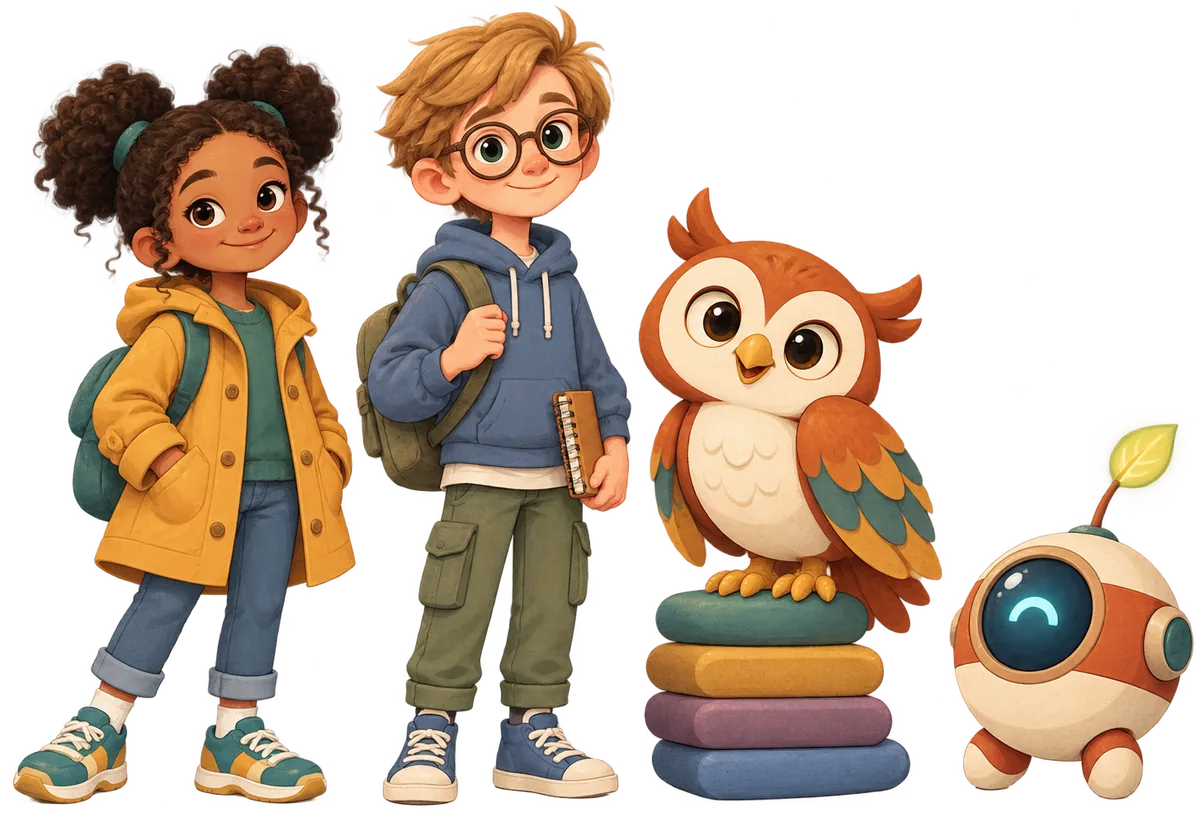
NarratorIt was Sunday afternoon. Theo's football team had just lost, three goals to one.
NoorOh no. Was it a hard match?
TheoReally hard. And I missed a penalty.

TheoPip, I feel really sad today.
PipI'm sorry you feel sad, Theo. Missing a penalty sounds tough.
TheoThanks, Pip. You're a good friend.
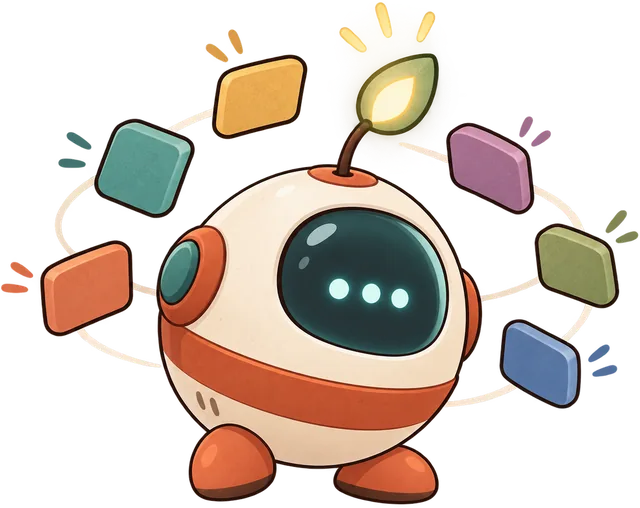
PipCan I be honest? I can say kind words. But I don't have feelings.
PipI can't really care about you, not like a person can. Who could you talk to?
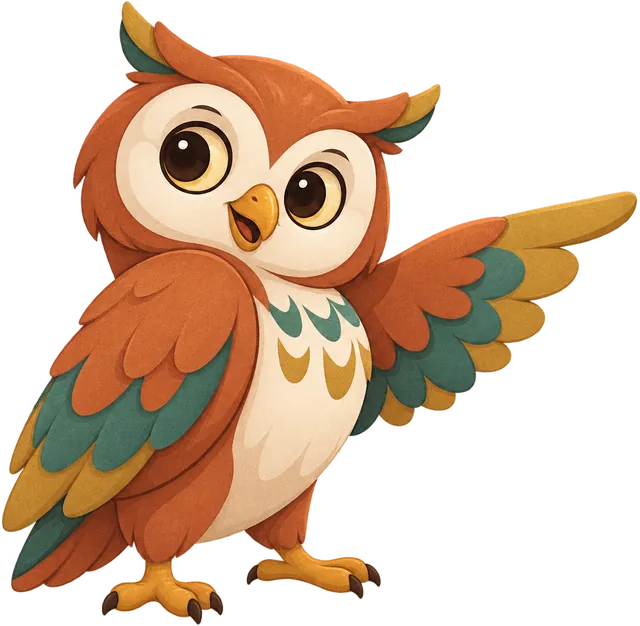
OwlHoo. Pip is right, and that was kind of Pip to say.
OwlPip is a pretend AI, for practice. It picks kind words, but it can't feel them.
NoorGrandad Joe is just outside, Theo!

NarratorGrandad Joe listened to the whole story. Then he gave Theo a big hug.
Grandad JoeI missed a penalty once too. In a final! Everyone misses sometimes.
TheoReally? I feel a bit better already.
Friendly is not the same as a friend
A chatbot is a computer program you can chat with. Pip is a pretend one.
Chatbots learned from lots of writing by people. So they know lots of kind words.
But a chatbot has no feelings. It can't be happy for you, or miss you, or give you a hug.
It's fine to enjoy chatting to a chatbot. Just remember what it is: a helpful tool.
Chatbots can sound kind, but they have no feelings. Real people do.
Who is best for the job?
Pip is good at some jobs. It can help spell a word or think of ideas for a story.
Some jobs need a real person. Feelings, worries, and hugs are real-people jobs.
When you feel sad, worried, or lonely, talk to someone you trust. That could be a grown-up at home, a teacher, or a friend.
Pip can help with jobs. Real people are best for feelings.
Try it: My kindness list
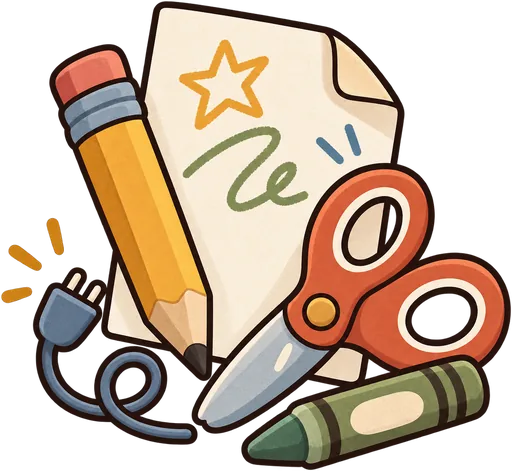
No screens needed. Real friends make each other feel good. Make a list of kind things to do for someone you care about.
- Write “My kindness list” at the top of a piece of paper.
- Think of a friend or someone in your family.
- Write or draw three kind things you could do for them. A drawing, a joke, sharing a snack, or asking about their day.
- Pick one and do it this week!
Pip could help you think of ideas. But only you can do the kind thing, and only a real person can feel it.
Optional. Just for fun.
Check it, and earn your sticker
 Word jar
 For grown-ups
What your child learned
Chatbots can sound warm and caring, but they have no feelings and can't care about anyone. They are useful for jobs like spelling or ideas; feelings, worries, and comfort belong with real people. Enjoying a chat with AI is fine, as long as the child knows what it is.
Talk about it
- When you feel sad or worried, who are the people you like to talk to?
- Why do you think a chatbot can sound so kind when it has no feelings?
- What's something a real friend can do that a chatbot never can?
A five-minute activity
Draw a “my people” map together: your child in the middle, and around them the people they could talk to about a feeling. Put it somewhere they can see it.
Safety notes
Many chatbots are designed to sound warm, remember details, and keep a conversation going, and some apps are built to feel like a friend or companion. Most AI tools have a minimum age (often 13 or older). Children are best protected when they know chatbots have no feelings and have real people they can turn to.
If this worries your child
If your child seems lonely, or you find they have been telling a chatbot about their feelings, stay calm and don't shame them: it shows they wanted to be heard. Thank them for telling you, listen, and help them find more real connection, such as a regular chat time with you, a friend over, or a club. If sadness or worry lasts for weeks, or affects sleep, eating, or school, talk to their teacher or your doctor.
Curious Kids has no accounts and collects nothing: progress and stickers stay on this device. More in the grown-ups guide.